Quick Summary
- The Cost Trap: Public delivery apps offer near-zero commission fees for small merchant relief, but struggle to retain price-sensitive consumers.
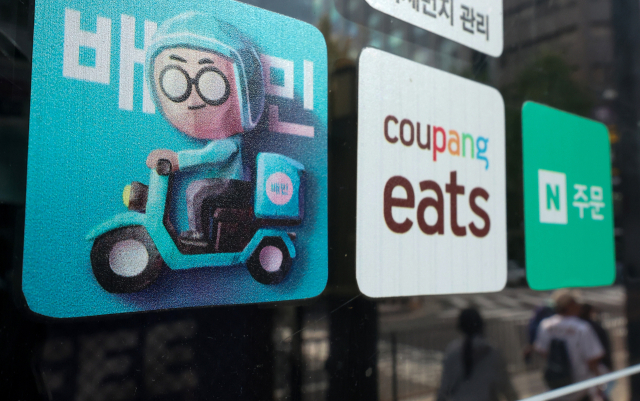
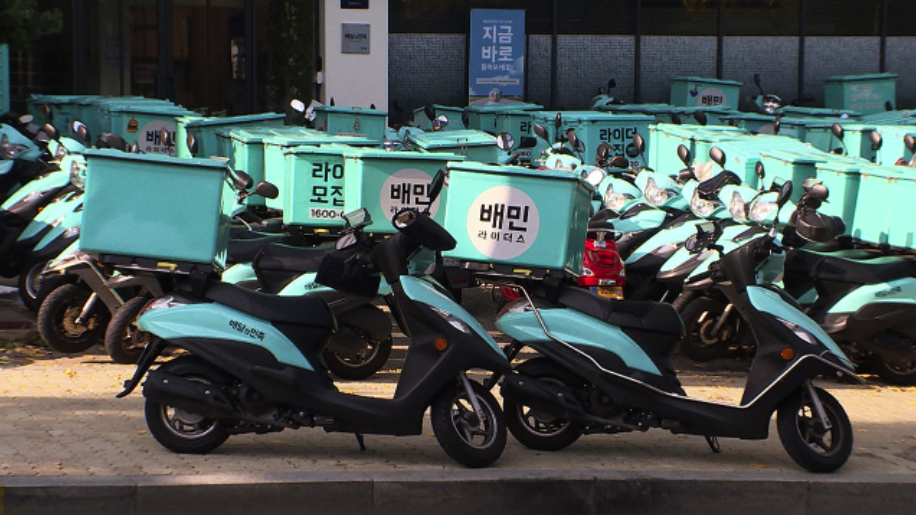
- The Duopoly Dominance: Private giants Baemin and Coupang Eats control roughly 93% of South Korea’s $28 billion food delivery market.
- The Loyalty Dilemma: Low merchant fees alone cannot compensate for weaker user interfaces, smaller marketing budgets, and lack of ecosystem perks.
The Subsidized Diner’s Dilemma
Imagine opening a sleek, neighborhood neighborhood grocery store where every apple is sold strictly at cost price to support local farmers.
On paper, every price-conscious shopper in town should line up around the block every single morning.
Yet, just two doors down, a massive supermarket chain offers free express home delivery, personalized coupon bundles, and an irresistible multi-tiered rewards program.
Within three months, shoppers quietly drift right back to the giant supermarket, happily paying slightly higher margins for pure convenience.
This exact economic dynamic is currently paralyzing South Korea’s ambitious public food delivery ecosystem.
Over the past five years, local government authorities across Korea poured tens of millions of dollars into regional platform alternatives.
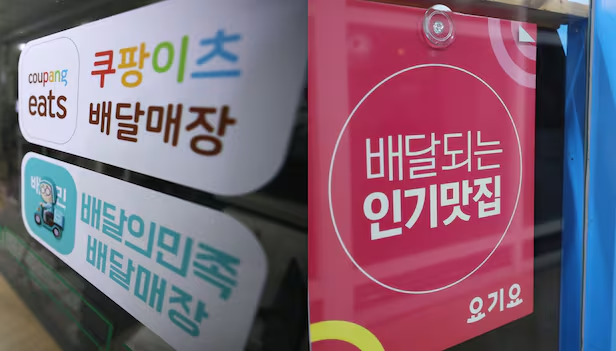
Their mission was straightforward: liberate small restaurant operators from the heavy 6.8% to 12.5% brokerage commissions charged by corporate giants.
Public platforms like Gyeonggi Province’s Baedal Teukgeup, Seoul’s Zero Delivery Union, and Shinhan Bank’s public-private platform DDangyo promised ultra-low fees ranging from 0% to 2%.
However, good intentions have collided head-first with the immutable realities of platform economics and consumer behavioral psychology.

The Anatomy of the Public Delivery Experiment
To understand the core friction, one must examine why public delivery applications were conceived in the first place.
During the peak pandemic surge, food delivery shifted from an occasional luxury to essential urban municipal infrastructure.
Private duopolies dominated market share while raising service tariffs and delivery fees on struggling mom-and-pop restaurants.
- Severe Merchant Margin Squeeze: Private platforms charged up to 15% combined in commission, payment processing, and ad placements.
- Public Policy Intervention: City mayors and provincial governors launched state-backed alternatives funded directly by tax revenue.
- The Zero-Commission Promise: Municipal platforms capped brokerage fees at 0% to 2% to preserve local restaurant profits.
- Local Currency Integration: Governments incentivized usage by offering 10% cash-back discounts when paying with local gift certificates (Sarang 상품권).
Restaurant owners eagerly signed up by the tens of thousands, hailing the initiatives as a fair trade victory.
For a brief honeymoon period, political press releases touted rapid user growth and record transaction volumes.
Why Low Commissions Fail to Secure Consumer Loyalty
In two-sided digital platform marketplaces, merchant supply is only half of the network equilibrium equation.
While small restaurant owners love lower overhead fees, consumers ultimately dictate where order volumes flow.
When a hungry consumer opens a smartphone application at 7:00 PM, fee structures for store owners are rarely top-of-mind.
- Inferior User Experience (UX): Public apps frequently suffer from sluggish user interfaces, clunky payment gateways, and frequent software glitches.
- Smaller Merchant Density: If a consumer’s favorite fried chicken joint isn’t listed, the app is instantly abandoned.
- Unreliable Fleet Logistics: Unlike corporate giants with integrated AI dispatch networks, public apps rely on fragmented third-party rider networks.
- Inconsistent Delivery Times: Longer wait times routinely ruin the customer experience, driving users back to private platforms.
As a result, consumer retention rates for public platforms cratered rapidly after initial promotional campaigns ended.
Most users treated public apps simply as temporary discount vehicles rather than primary daily tools.
The Asymmetric Warfare of Private Platform Subsidies
Corporate market leaders did not stand idly by while public alternatives attempted to erode their market share.
Instead, tech giants mobilized massive balance sheets to introduce subscription ecosystems that public apps simply cannot match.
Private platforms bundled food delivery with video streaming, fintech perks, and zero-won delivery fee memberships.
- Unlimited Free Delivery: Subscriptions like Baemin Club and Coupang Wow removed delivery fees entirely for active members.
- Ecosystem Lock-in: E-commerce integration allows users to earn shopping points while ordering late-night meals.
- Algorithm-Driven Discovery: Sophisticated recommendation engines increase order values and customer satisfaction.
- Predictive Rider Routing: Machine learning models optimize delivery routes, guaranteeing faster food arrival times.
Municipal budgets simply cannot compete with private venture capital and public market funding rounds.
When local governments cut back on gift certificate subsidies to curb fiscal deficits, public app order volumes plunged dramatically.
Key Takeaways for Platform Investors
The struggle of Korea’s public delivery apps offers vital strategic lessons for global venture capital and platform operators.
Price undercut strategies alone rarely create lasting moat defenses in digital platform markets.
- Network Effects Trump Good Intentions: A platform with 10 million users will always win over a cheaper platform with 50,000 users.
- Logistics IS the Product: In hyper-local delivery, speed and tracking accuracy matter more to users than merchant fee equity.
- Subsidies Are Not Loyalty: Discretionary discount hunters depart the moment financial incentives taper off.
- Capital Efficiency Deficits: State-run software development struggles to keep pace with fast-iterating commercial engineering teams.
The Road Ahead: Hybrid Models and Niche Survival
Can Korea’s public delivery platforms survive the next decade of consolidation?
Only if they abandon direct head-to-head competition with corporate giants and focus on specialized niche value propositions.
- Transition to Open Infrastructure: Municipalities are exploring converting public apps into open API routing layers rather than consumer-facing apps.
- Focusing on Hyper-Local Public Services: Integrating senior citizen meal delivery, local farm-to-table groceries, and school meal vouchers.
- Public-Private Partnerships (PPP): Partnering with commercial banks (such as Shinhan’s DDangyo) to absorb tech development expenses.
- Targeted Merchant Credit Scoring: Utilizing delivery sales data to offer low-interest working capital loans to micro-businesses.
Opportunity Window 🏆
The market tension between high-cost private monopolies and low-fee public apps opens lucrative strategic entry points for agile entrepreneurs and B2B tech innovators:
- White-Label Platform Optimization: Software agencies can partner with municipal governments to modernize outdated public app interfaces, introducing AI logistics and seamless UI/UX design.
- Hyper-Local Merchant Aggregators: B2B startups can build unified tablet hardware that allows kitchen staff to manage public app orders alongside commercial platforms without operational friction.
- Community-Centric Logistics Services: Independent fleet operators can build hyper-local, eco-friendly delivery fulfillment networks tailored specifically to service public platform orders at reduced batch costs.
- Targeted Local Marketing SaaS: Tools that help small restaurant owners automatically offer dynamic pricing and custom discounts on public apps can convert price-sensitive neighborhood diners into direct regulars.
Who did what today? 📈
- Delivery Hero SE (ETR: $DHER @ €26.40): Continues to navigate heavy competitive pressures in East Asia while supporting its core Korean operating unit, Baemin.
- Coupang Inc. (NYSE: $CPNG @ $22.85): Strengthens its delivery app footprint by converting WOW e-commerce subscribers into active Coupang Eats users.
- Uber Technologies Inc. (NYSE: $UBER @ $74.50): Explores renewed strategic exposure to the South Korean food delivery ecosystem through joint bidding and consortium partnerships.
- Naver Corporation (KRX: $035420 @ ₩172,500): Integrates its dominant digital search and commerce payment capabilities into broader delivery and platform alliances.