Quick Summary
⚡ Disaster Shock: Massive flash floods in Nepal’s Rasuwa district killed at least eight people and knocked out over 430 MW of hydroelectric capacity (~12% of total national energy output).
📉 Market Reactions: The Nepal Stock Exchange (NEPSE) index fell 35.92 points, fueled by aggressive sell-offs in damaged hydropower developers and non-life insurance underwriters.
🌐 Global Spillover: Disrupted cross-border supply chains and energy trade routes ripple outward, accelerating capital realignment into climate-resilient power grids and infrastructure equities worldwide.
Imagine waking up to discover that a sudden downpour upstream has stripped away 12% of your entire national power grid overnight. That is precisely what happened when violent torrents ripped through the Himalayan valleys along the Bhote Koshi River corridor.
For investors accustomed to watching digital ticker screens in financial capitals, extreme weather in mountain regions might seem like a distant geographic tragedy. However, in our hyper-connected global economy, localized climate disruptions immediately transform into systemic capital reallocations.
1. The Anatomy of the Himalayan Flash Flood
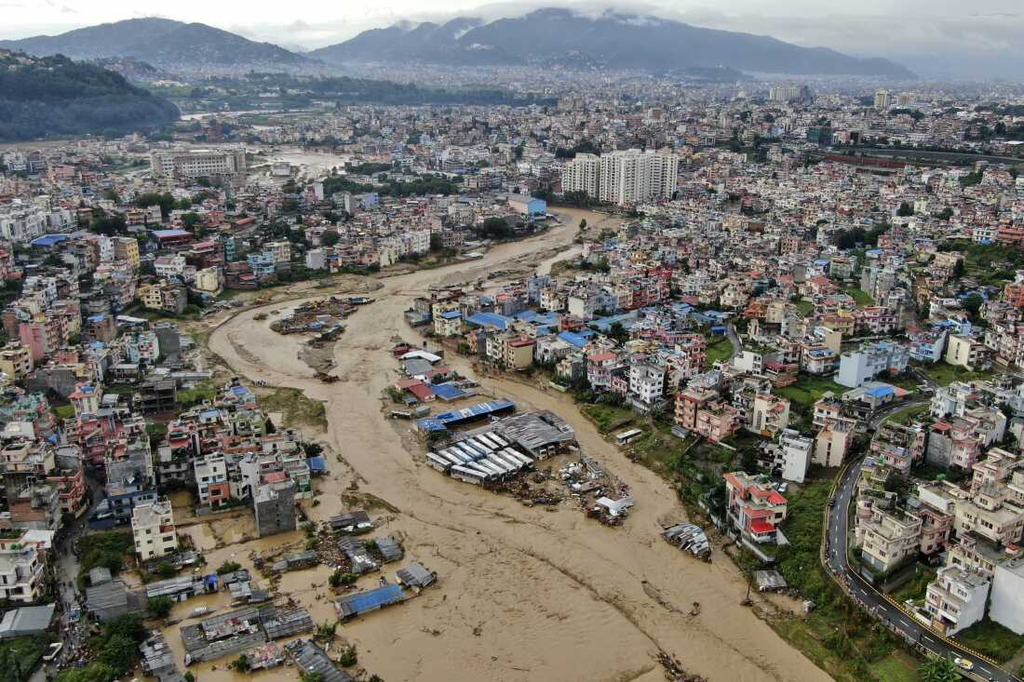
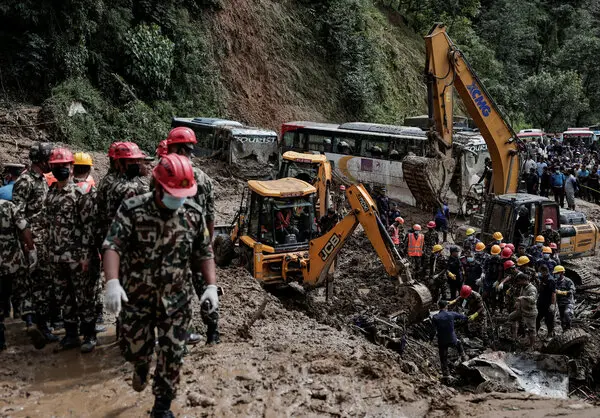
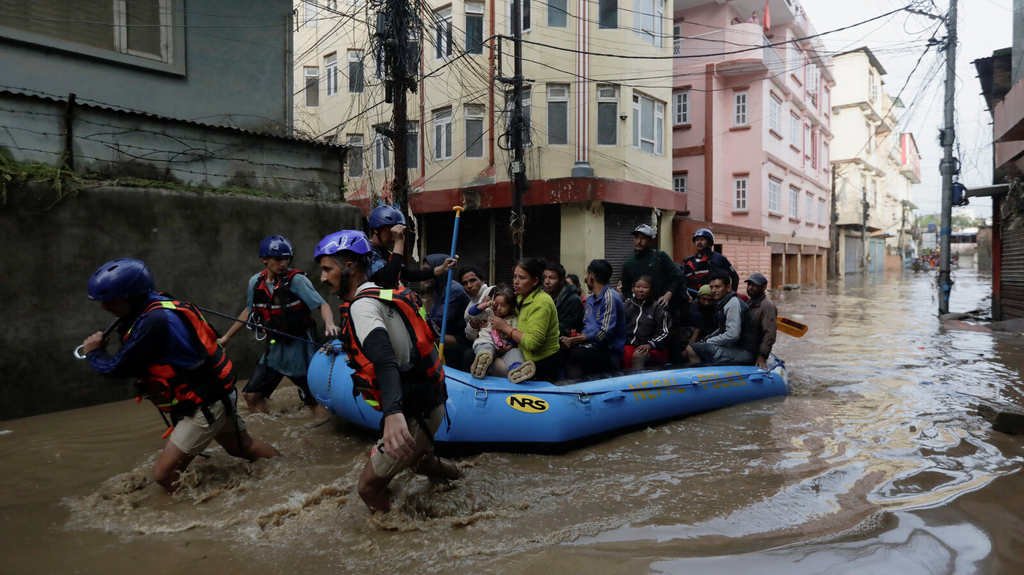
On August 26, torrential monsoon rains triggered catastrophic flash floods and landslides across Nepal’s northern Rasuwa region near the Chinese border. The sheer volume of water swept through mountain communities, leaving at least eight dead and dozens missing in its immediate wake.
Crucially, this valley serves as a high-density industrial corridor for Himalayan hydroelectric generation and border trade. The sudden deluge devastated key arterial roads, destroyed police posts, and completely isolated critical customs checkpoints.
- Human & Municipal Impact: Over 14 customs officials were separated from emergency contact, and vital border crossing infrastructure at Gyirong/Rasuwagadhi was paralyzed.
- Cross-Border Disturbance: Mudslides on the Nepali side severed trade, electrical power, and digital communications into Tibet’s Shigatse region, demonstrating immediate cross-border vulnerability.
- Recurring Vulnerability: Repeating the destruction seen in prior monsoon seasons, this disaster underscores the accelerating fragility of mountain infrastructure amidst shifting global climate patterns.
2. Power Grid Paralysis: 430 MW Taken Offline
Nepal’s Energy Ministry confirmed that the deluge knocked out over 430 megawatts (MW) of electricity capacity. Out of Nepal’s total installed power capacity of approximately 3.2 gigawatts (GW), this single event erased over 12% of national generation in hours.
In simple terms, Nepal instantly transformed from an emerging regional clean-energy exporter back into a power-deficient nation forced to rely on emergency imports. The structural disruption immediately halted planned electricity exports to neighboring India and regional power pools.
- Heavy Hydro Losses: Major power facilities including Rasuwagadhi, Sanjen, Molung Khola, and Trishuli suffered structural inundation and transmission tower collapses.
- Reversal of Energy Trade: The loss of generation capacity directly threatens lucrative seasonal power supply contracts with neighboring South Asian partners.
- Capital Asset Destruction: Restoring damaged turbines, silt-clogged tunnels, and high-voltage power lines will require millions in unbudgeted emergency capital expenditure.
3. Equity Markets Reaction: The NEPSE Hydro and Insurance Sell-Off
Financial markets reacted swiftly to news of the destruction. The Nepal Stock Exchange (NEPSE) benchmark index dropped 35.92 points (1.38%) to close at 2,558.35 points, led by aggressive equity liquidation.
Selling pressure concentrated heavily in two core market sectors: hydropower developers and non-life insurance underwriting firms. Out of 278 traded companies, an overwhelming 252 posted sharp price declines.
- Hydro Equities Hit Circuit Limits: Rasuwagadhi Hydropower dropped by its 15% negative circuit limit, while Molung Khola (-14.99%) and Trishuli Hydropower (-12.95%) suffered catastrophic declines.
- Non-Life Insurers Plunge: The non-life insurance sub-index experienced the market’s steepest fall (-3.90%) as investors panicked over upcoming physical damage payouts.
- Soaring Trading Volume: Market turnover surged to Rs 4.77 billion (up from Rs 4.10 billion), proving that investors were actively dumping damaged assets at fire-sale prices.
Insurance brokers noted that insurers face dual exposure: covering physical asset loss and compensating for business interruption revenue losses. This double burden will suppress financial sector profitability for multiple upcoming fiscal quarters.
4. Macroeconomic Consequences: Agriculture, Inflation, and Debt
Beyond the stock exchange floor, the macroeconomic ripples of the Himalayan flood affect food security and fiscal stability. Landslides damaged key supply routes right before peak seasonal festival spending, pushing local food transportation costs higher.
Agricultural damage across affected river basins is compounding domestic price inflation. When physical supply chains collapse, central bank interest rate policy proves largely ineffective at curbing food price surges.
- Supply Chain Bottlenecks: Damaged mountain highways prevent agricultural produce from reaching urban markets, driving up perishable food prices.
- Fiscal Budget Strain: The government must divert capital allocated for long-term development projects into immediate emergency relief and infrastructure rebuilds.
- Foreign Direct Investment Caution: Foreign infrastructure funds are reassessing risk premiums for Himalayan renewable energy projects due to heightened climate exposure.
5. Global Supply Chains & Broader Energy Equities
While Nepal’s domestic equities took the direct hit, multinational corporations involved in grid equipment, disaster mitigation, and heavy machinery are seeing immediate demand shifts. Modern clean energy transition strategies rely on durable physical architecture.
Global engineering conglomerates and specialized renewable energy technology firms are being called upon to design climate-hardened infrastructure. This shift is creating targeted operational momentum for resilient industrial players worldwide.
Cross-Border Infrastructure: Infrastructure builders specialized in alpine tunneling and armored mountain roadways are capturing new sovereign contracts.
Grid Modernization Demand: International suppliers of high-voltage transformers and flood-resistant turbine systems are seeing order inquiries surge.
Satellite & Geospatial Analytics: Earth observation companies providing disaster monitoring data are becoming indispensable tools for insurance adjusters and governments.
Imagine waking up to find that the electrical power grid feeding your entire town was wiped out overnight, while your insurance company suddenly froze all new claims processing.
That exact scenario unfolded across South Asia this week as extreme flash flooding transformed calm mountain tributaries into overwhelming torrents of destruction.
Nepal, often celebrated as the emerging clean energy powerhouse of South Asia, is confronting a severe macroeconomic shock following catastrophic monsoon deluges.
The tragedy highlights how extreme weather events can instantly shatter regional supply chains and destabilize fragile financial markets.
Opportunity Window 🏆
Where Resilience Meets Return: Strategic Entry Points
Disasters inevitably reset valuation baselines, creating compelling entry points for disciplined capital focused on long-term climate adaptation.
As governments and development agencies deploy emergency reconstruction funding, specific corporate sectors stand to benefit directly from recovery spending:
- Grid Resiliency & Heavy Engineering: Infrastructure firms specializing in flood defense, heavy excavation, and reinforced grid technologies will secure major national contracts.
- Global Reinsurance & Specialty Underwriters: Global insurers with strong capital reserves will reprice climate risk premiums higher, driving long-term margin expansion across Asian exposure.
- Geospatial Monitoring & Early Warning Tech: Technology providers delivering real-time satellite imagery, hydrological sensor monitoring, and predictive analytics will see booming demand from regional governments.
- Clean Energy Rebuilders: Well-capitalized renewable energy developers with diversified asset portfolios can acquire distressed, high-yield hydro assets at steep discounts.
Who did what today? 📈
- General Electric Co. (NYSE: $GE @ $182.45)Dispatched emergency technical response teams and heavy turbine equipment repair services to hydro sites affected by flood waters across South Asia.
- Swiss Re AG (OTCMKTS: $SSREY @ $114.20)Assessed preliminary regional catastrophe loss claims while initiating updated risk-pricing models for high-altitude Asian hydroelectric projects.
- Caterpillar Inc. (NYSE: $CAT @ $348.10)Reported an uptick in regional order enquiries for heavy earthmoving machinery and emergency power generators needed for road clearance and rebuilding efforts.
- ABB Ltd. (NYSE: $ABB @ $54.80)Announced supply agreements for high-voltage substation replacement modules and smart grid monitoring components to restore damaged power corridors.
- Tesla Inc. (Nasdaq: $TSLA @ $215.30)Saw increased interest from South Asian micro-grid operators evaluating large-scale Megapack battery storage installations to offset grid vulnerability.