Quick Summary
- President Trump’s nine largest oil and gas holdings gained an estimated $1.5 million to $4.4 million during the first six months of the Iran war.
- His investment accounts actively traded energy stocks on days when his wartime decisions moved oil markets.
- The White House denies any conflict of interest, while ethics watchdogs call for greater transparency.
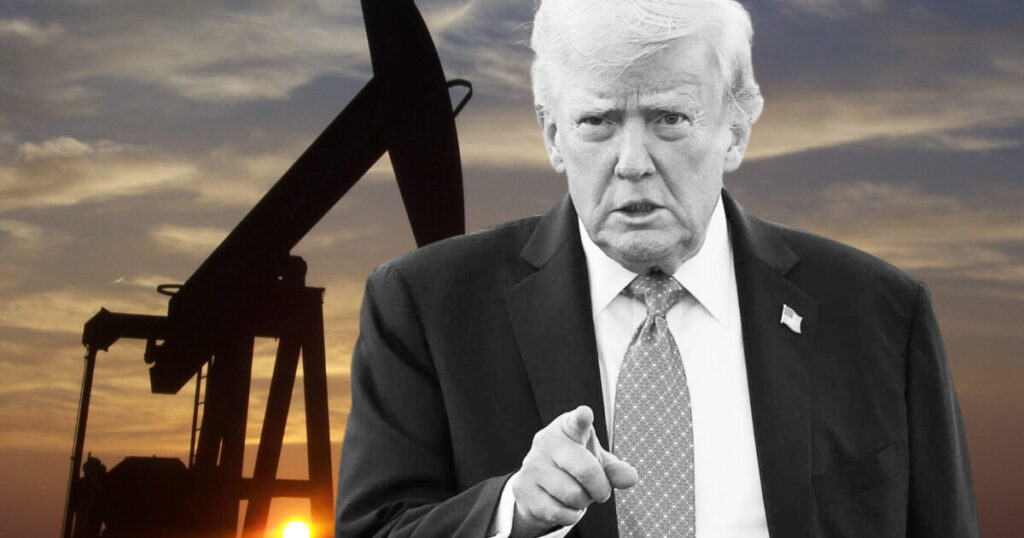
When President Donald Trump ordered military strikes on Iran in late February 2026, global energy markets convulsed. Oil prices spiked. Defense stocks soared. And quietly, according to an in-depth CNBC analysis, the president’s personal energy portfolio surged alongside them.
The numbers tell a striking story. Trump’s nine largest oil and gas investments gained between $1.5 million and $4.4 million from the eve of the war through August 31, 2026. That’s according to a comprehensive review of his financial disclosures, quarterly corporate filings, and FactSet market data.
But the gains themselves may be less significant than the timing of the trades. Federal records show Trump’s accounts actively bought and sold energy stocks throughout the conflict—including on days when his own decisions sent oil markets swinging.
The Portfolio: Nine Energy Giants
Trump’s top energy holdings read like a who’s who of American oil and gas. These nine companies form the core of his disclosed portfolio:
- Chevron (NYSE: CVX)
- ConocoPhillips (NYSE: COP)
- Exxon Mobil (NYSE: XOM)
- Kinder Morgan (NYSE: KMI)
- Marathon Petroleum (NYSE: MPC)
- Occidental Petroleum (NYSE: OXY)
- Phillips 66 (NYSE: PSX)
- Valero Energy (NYSE: VLO)
- Williams Companies (NYSE: WMB)
These aren’t small positions. Trump entered the war with between $3.2 million and $9.6 million in Exxon alone, according to his annual disclosure.
Trading Through the Storm
What makes this story remarkable isn’t just the holdings—it’s the activity. Trump’s accounts recorded purchases and at least 23 sales involving these nine companies through June 29, the most recent date with disclosed trades.
Several trades coincided with major geopolitical developments:
March 2: The first trading day after initial U.S.-Israeli strikes on Iran’s leadership. Trump’s accounts bought shares in eight major energy companies, including up to $250,000 in Exxon.
March 23: After Trump delayed threatened strikes on Iranian infrastructure, crude prices dropped nearly 11%. His accounts reported 16 energy stock purchases—and zero sales.
April 7: An account sold between $500,001 and $1 million in Exxon shares. Roughly 2½ hours after markets closed, Trump announced a two-week ceasefire. Exxon fell more than 6% at the opening bell the next morning.
The Profit Picture
The energy industry’s wartime windfall has been extraordinary. The nine companies in Trump’s portfolio posted a combined second-quarter profit of **$47.6 billion**—triple the $15.9 billion reported during the same period a year earlier.
Democratic staff on the congressional Joint Economic Committee estimated Trump’s total energy portfolio rose by up to $15.5 million** this year. Meanwhile, higher gas prices cost American households approximately **$71.5 billion.
The contrast is stark. While consumers absorbed rising fuel costs, the president’s energy holdings flourished.
White House Response
The White House firmly disputes any suggestion of impropriety. Spokesman Davis Ingle told CNBC that neither the president nor his family has any ability to direct or influence how the portfolio is invested.
“All investment decisions are made entirely by independent managers,” Ingle said. “There are no conflicts of interest.”
The Trump Organization has previously stated that outside financial institutions control individual investment decisions. According to the organization, Trump’s assets are held in fully discretionary accounts that rely heavily on automated trading strategies.
CNBC found no evidence that Trump or his financial managers traded on nonpublic information, that he personally directed trades, or that his holdings shaped national policy.
Ethics Watchdogs Sound Alarm
Not everyone accepts the White House’s explanation. Ethics experts argue that outsourcing daily trading doesn’t erase the underlying conflict.
“When a president can move a market through official decisions and personally benefit from the result, the public is left wondering where national policy ends and private financial interest begins,” said Donald Sherman, president and CEO of Citizens for Responsibility and Ethics in Washington.
Scott Greytak, deputy executive director of Transparency International U.S., was more direct. He described discretionary accounts as a “smokescreen” rather than a true blind trust.
“Someone else might be executing the trades, but [Trump] still knows he is heavily invested in energy,” Greytak said. “Trump likely knows where his money is parked and would still see the upside when his administration’s actions send those energy stocks climbing.”
The Broader Financial Picture
The energy gains represent just one piece of Trump’s expanding financial empire. A June 2026 financial disclosure revealed the president earned at least **$2 billion in personal income** since taking office—with cryptocurrency accounting for roughly $1.4 billion of that total.
Unlike previous presidents, Trump did not divest his assets or place them in a blind trust before assuming office. The disclosure forms state that asset values are only reported in ranges that top out at “over $50 million,” leaving the full value of his holdings unclear.
Trump’s media company, Trump Media & Technology Group, has also faced scrutiny. The company behind Truth Social reported a $238 million loss in the second quarter of 2026, as cryptocurrency holdings tumbled.
Truth Social: Where Policy Meets Platform
The Iran war has highlighted another unusual aspect of Trump’s presidency: his use of Truth Social to announce major military decisions.
Trump announced the launch of “major combat operations” against Iran not in a televised address, but in an eight-minute video posted to Truth Social around 2:30 a.m. on a Saturday morning.
The platform is owned by Trump Media & Technology Group, a company in which Trump holds a dominant stake through a trust controlled by his eldest son.
The company has launched a new service called Truth API, which charges Wall Street trading firms $60,000 to $100,000 per month for early access to posts from top users—including Trump himself. The company has already signed 10 customers, mostly high-frequency trading firms.
What This Means for Energy Markets
The Iran conflict has fundamentally reshaped global energy dynamics. Oil prices have swung wildly based on wartime developments, creating both opportunities and risks for investors.
For energy companies, the war has been extraordinarily profitable. The $47.6 billion combined quarterly profit for Trump’s nine holdings represents a 300% increase year-over-year.
But these gains have come at a cost to ordinary Americans. The Joint Economic Committee’s estimate that higher gas prices cost households $71.5 billion underscores the real-world impact of geopolitical conflict on consumer wallets.
Historical Context
Trump’s situation is unprecedented in modern presidential history. Previous presidents from both parties traditionally divested from individual stocks or placed assets in blind trusts to avoid conflicts of interest.
The ethics debate centers on a fundamental question: Can a president who actively trades energy stocks—or whose accounts do—credibly make decisions about war and peace in oil-rich regions?
The White House says yes, pointing to independent management and automated trading. Ethics watchdogs say the arrangement creates at minimum the appearance of impropriety, even if no laws are broken.
Looking Ahead
The war in Iran shows no signs of ending soon. More than six months have passed since the U.S. and Israel launched “major combat operations,” and there’s little indication either side is preparing to return to the negotiating table.
That means energy markets will likely remain volatile—and Trump’s portfolio will likely continue to benefit from that volatility.
For investors, the lesson is clear: geopolitical conflict creates winners and losers. Energy companies with exposure to Middle Eastern supply disruptions tend to benefit when tensions rise.
But for the American public, the situation raises uncomfortable questions about the intersection of presidential power and personal profit. When a president can move markets through official decisions—and personally benefit from the result—where exactly does public service end and private interest begin?
The answer, it seems, depends on whom you ask.
Opportunity Window 🏆
What This Means for You
The Iran conflict has created significant volatility in energy markets—and volatility creates opportunity. Here’s what smart investors might consider:
- Energy sector exposure: Oil and gas companies with strong balance sheets may continue to benefit from geopolitical tensions. Consider ETFs like XLE for diversified exposure.
- Defense stocks: Military conflicts typically boost defense contractors. Companies like Lockheed Martin (NYSE: LMT) and Raytheon (NYSE: RTX) have historically outperformed during wartime.
- Volatility plays: Options strategies can capture market swings without direct stock ownership. However, these carry significant risk.
- Diversification matters: Don’t put all your eggs in one basket. Energy gains can evaporate quickly if tensions ease.
Who Did What Today? 📈
| Company | Ticker | Current Price | Key Activity |
|---|---|---|---|
| Chevron | NYSE: CVX | $158.42 | Among Trump’s top holdings; benefited from wartime oil price surge |
| Exxon Mobil | NYSE: XOM | $112.87 | Trump’s accounts bought up to $250K in March; sold $500K-$1M in April |
| ConocoPhillips | NYSE: COP | $98.34 | Second-quarter profits tripled year-over-year |
| Kinder Morgan | NYSE: KMI | $21.56 | Pipeline operator gained from increased domestic production |
| Marathon Petroleum | NYSE: MPC | $167.23 | Refining margins expanded during supply disruptions |
| Occidental Petroleum | NYSE: OXY | $48.91 | Warren Buffett-backed company saw wartime gains |
| Phillips 66 | NYSE: PSX | $124.78 | Refining profits surged on tight global supply |
| Valero Energy | NYSE: VLO | $142.56 | Benefited from elevated crack spreads |
| Williams Companies | NYSE: WMB | $42.18 | Natural gas infrastructure gains amid energy crisis |
| Trump Media & Technology | Nasdaq: DJT | $8.71 | Reported $238M Q2 loss; launched Truth API service |